Honoring Christmas Traditions Through Time-Tested Recipes
Preparing the same dishes our grandparents made during the holidays creates a particular kind of continuity. When we follow traditional recipes passed down through generations, we preserve memories, honor our heritage, and create connections across time.
This Christmas season offers an opportunity to examine how these recipes function as cultural artifacts. Each ingredient measurement and technique carries information about the people who developed them and the circumstances in which they lived.
The Context Behind the Recipes
Traditional Christmas recipes reflect specific cultural and economic realities. Gingerbread Cookies (Pepparkakor), the thin, crisp cookies common in Scandinavian households, emerged from a time when spices like ginger, cinnamon, and cloves were expensive imports. Their presence in holiday baking marked the occasion as special, worth the expenditure of precious ingredients.
Minnesota Lefsa (Lefse) tells a different story. Norwegian immigrants adapted their baking traditions to American ingredients and circumstances. Potatoes were abundant and affordable in their new home, making this soft flatbread a practical way to maintain culinary ties to Norway. The specialized tools required (a grooved rolling pin and large, flat griddle) suggest the importance placed on getting the technique right.
Building a Seasonal Framework
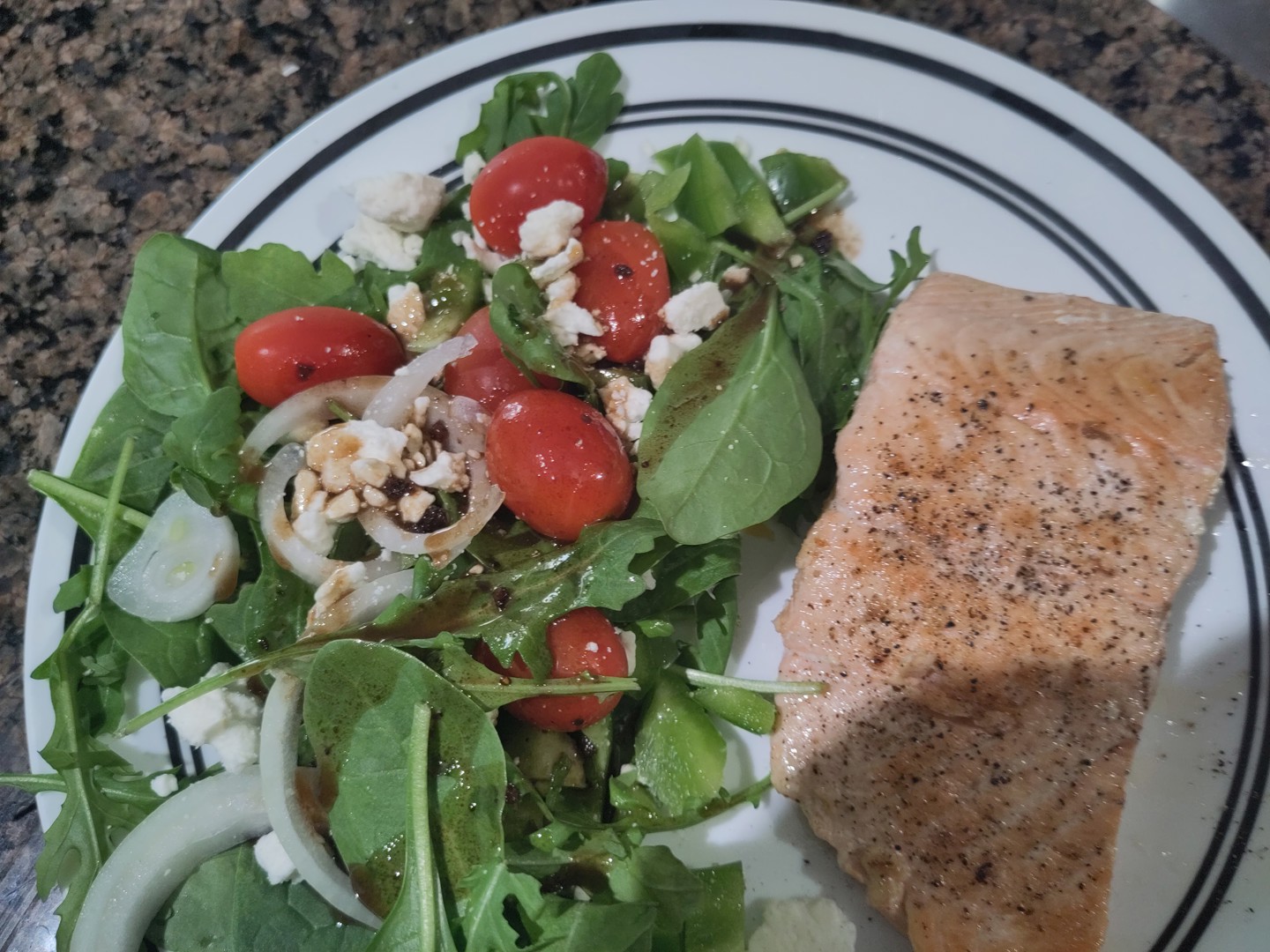
Holiday meals extend beyond traditional baked goods. A Classic Balsamic Vinaigrette served year after year with the Christmas salad becomes part of the seasonal framework. These repetitions, however minor they seem, create the structure that makes celebrations recognizable.
What Repetition Accomplishes
Following old recipes serves several functions. It provides stability across years that might otherwise blur together. It transmits practical knowledge and family history to younger family members. It creates sensory anchors (specific smells, tastes, textures) that become strongly associated with particular times and places.
The results won't always match memory. Your cookies might spread differently than your grandmother's, your lefse might lack her particular touch. But the practice itself maintains something that would otherwise be lost.
This holiday season, consider seeking out those handwritten recipe cards or asking relatives for their versions of family dishes. The process of recreating these foods, with whatever imperfections result, keeps culinary traditions alive for another generation.