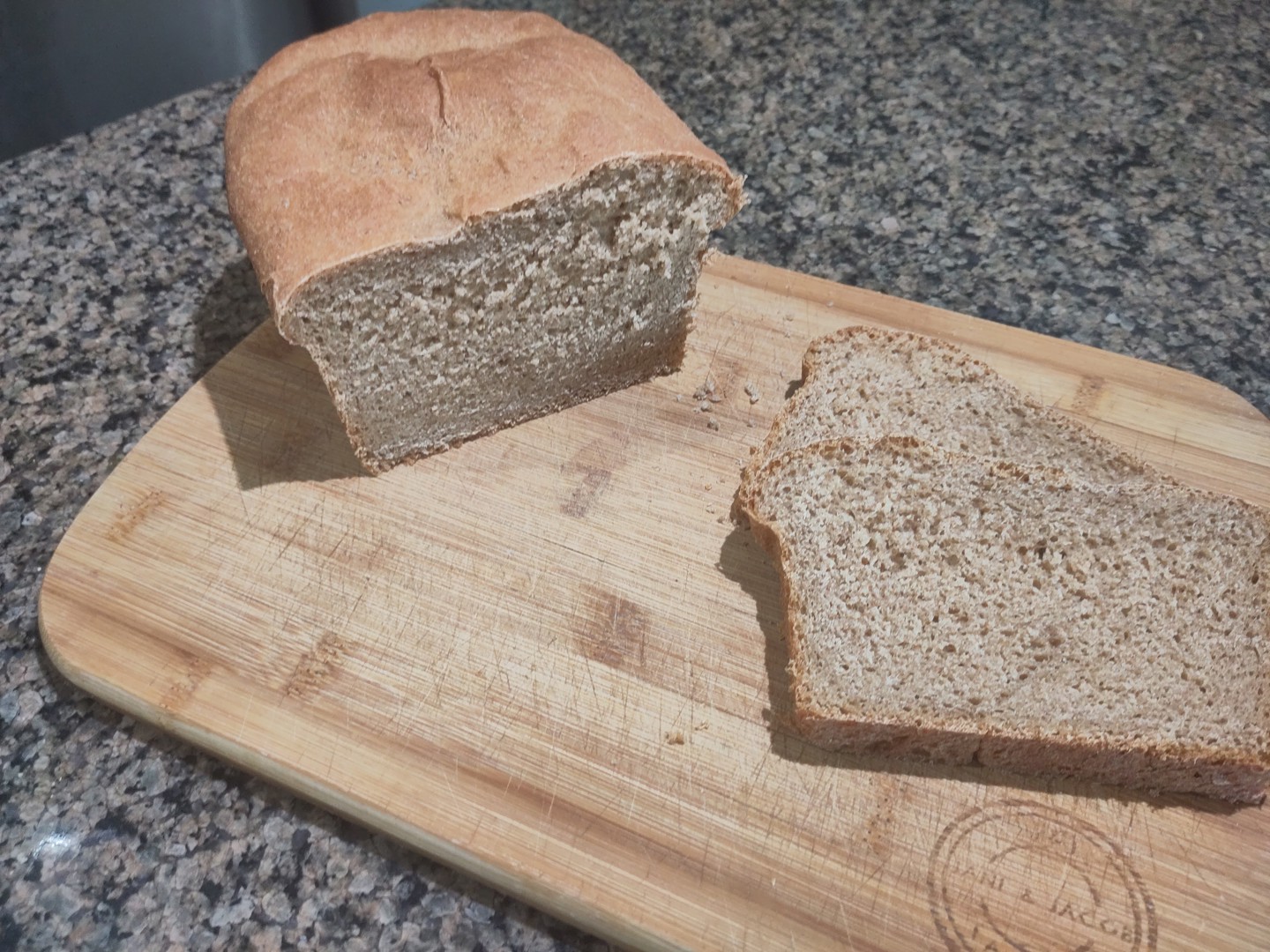
Dense Bread Deserves Recognition
The home baking community perpetuates an unhelpful standard: bread must be airy, well-risen, and marked by an open crumb structure. This expectation discourages bakers who produce loaves that emerge from the oven compact and heavy. The prevailing wisdom suggests these results represent failure, but this assessment overlooks the practical advantages of dense bread.
Structural Advantages

A loaf that refuses to rise properly still functions admirably in the kitchen. Dense bread excels in applications where structural integrity matters more than texture. Consider the open-faced breakfast sandwich, where a sturdy slice bears the weight of eggs, cheese, and toppings without buckling. Light, airy bread becomes soggy under such loads. A compact crumb holds firm.
Performance with Liquids
The same principle applies when bread meets liquid. Dense slices withstand repeated dipping into soup, olive oil, or sauce without disintegrating in your hand. The tight crumb structure creates natural barriers that slow liquid absorption. Rustic breads from various European traditions demonstrate this quality, and home bakers can achieve similar results regardless of whether their dough cooperated during proofing.
Pan-Fried Applications

Grilled cheese sandwiches benefit substantially from bread with heft. The exterior crisps properly in the pan while the interior maintains its shape against melting cheese. Thin or overly aerated bread either burns before achieving proper browning or compresses into an unappetizing texture. Dense bread maintains volume throughout cooking, producing a sandwich with satisfying substance.
This extends to other pan-fried preparations. Whether preparing French toast, croque monsieur, or any sandwich that requires stovetop cooking, bread with a tight crumb provides reliable results. The structure tolerates heat, pressure, and moisture simultaneously.
The Economic Case
The economic argument also merits consideration. Flour, water, salt, and yeast cost relatively little. A failed loaf still represents a modest investment compared to artisan bakery prices. When that dense loaf performs well in specific applications, the value proposition remains favorable.
Redefining Success
Home bakers should evaluate their results based on utility rather than adherence to professional standards. A loaf that didn't rise as expected still offers functional advantages over store-bought sandwich bread in many preparations. The texture that seems like a flaw becomes an asset when matched with appropriate uses.
The solution involves expanding one's definition of successful bread. Professional bakers work within specific parameters because their customers expect certain characteristics. Home bakers operate under no such constraints. A dense loaf that serves your kitchen needs has succeeded, regardless of its appearance or how much it rose.
This perspective eliminates much of the frustration surrounding bread baking. Rather than discarding unsatisfactory loaves or viewing them as complete failures, bakers can simply redirect them toward suitable applications. The bread that disappoints when sliced for a standard sandwich transforms into an excellent vehicle for heartier preparations.
Making bread at home remains worthwhile even when accounting for imperfect results. The process teaches technique, provides fresh bread at low cost, and supplies loaves suited to particular cooking methods. Dense bread should be recognized as a legitimate outcome rather than dismissed as inadequate.