
Himalayan Pink Salt, Iodine, and Modern Cooking with Salt
Advertisement
Ad space reserved for future use
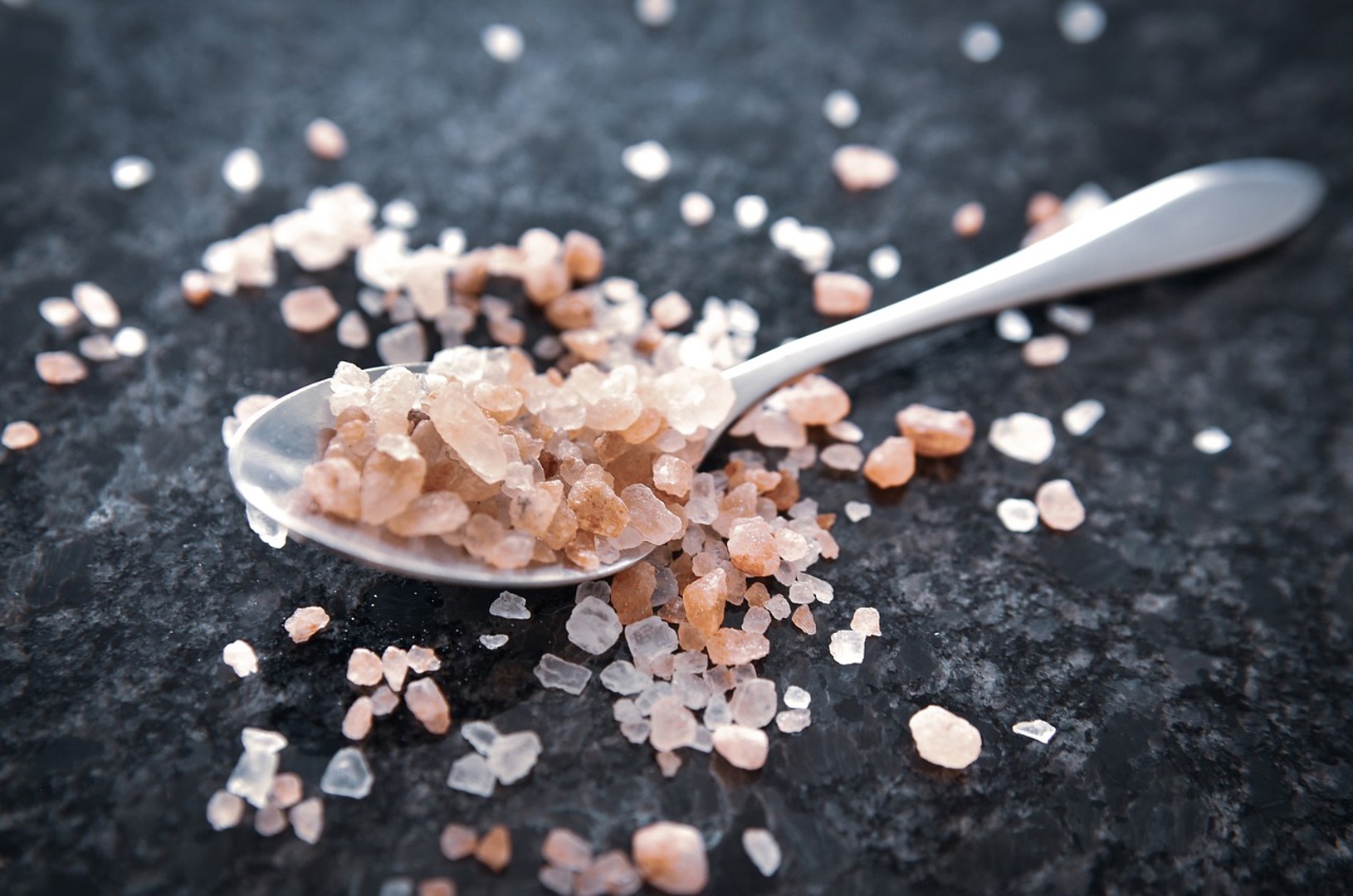
Himalayan salt has moved from niche ingredient to kitchen staple with remarkable ease. Its soft pink hue, irregular crystals, and geological backstory distinguish it from the anonymity of refined white salt. For many cooks, it represents care and intention rather than mere seasoning. It looks considered on the table, feels deliberate between the fingers, and brings a gentle salinity that suits modern cooking styles.
This popularity is not without merit. Himalayan salt performs well in the kitchen. Its flavor is clean and restrained, making it well suited to finishing dishes where excess sharpness would distract. The texture adds interest to roasted vegetables, eggs, and simple meats. Its minimal processing appeals to those who prefer ingredients that feel closer to their original form, even when the practical differences are modest.
Its trace mineral content is often mentioned, and while these minerals are not present in nutritionally meaningful amounts, they do contribute to the salt’s character and appearance. In that sense, the appeal of Himalayan salt is less about health claims and more about sensory experience. It enhances food not by promising benefits, but by encouraging attention.
Where context becomes important is in understanding what Himalayan salt does not usually contain. Most varieties are not iodized. Iodine is not a fashionable nutrient, nor one associated with artisanal food culture, yet it remains essential. It supports thyroid function and, by extension, metabolism and neurological health. Its addition to table salt was one of the quiet successes of public health policy, addressing widespread deficiency with minimal disruption to daily life.
As cooking trends shift toward whole foods and specialty ingredients, iodine intake can become less consistent. This is not an argument against Himalayan salt, but a reminder that culinary quality and nutritional completeness do not always overlap. Salt is used frequently and in small amounts, which is precisely why its composition matters over time.
A balanced approach respects both considerations. Himalayan salt can be enjoyed for what it does best, adding texture, visual appeal, and a subtle finish to food. Iodized salt can continue to serve its understated role in everyday cooking and baking, where its presence goes unnoticed but its contribution accumulates. Used together, they reflect not a compromise, but an understanding that good cooking often accommodates more than one kind of value.
Sources
Himalayan salt vs. table salt nutritional comparison — Healthline: https://www.healthline.com/nutrition/different-types-of-salt
Iodized salt’s role in public health — Biology Insights (public health importance of salt iodization): https://biologyinsights.com/is-himalayan-salt-better-than-iodized-salt/ biologyinsights.com
Advertisement
Ad space reserved for future use